
The difference between a fun casino trip and a regrettable one often comes down to one thing: how you manage your money. Smart bankroll management isn't about winning more, it's about making your entertainment budget last longer and keeping gambling enjoyable. Here's how to do it right.
What Is a Bankroll?
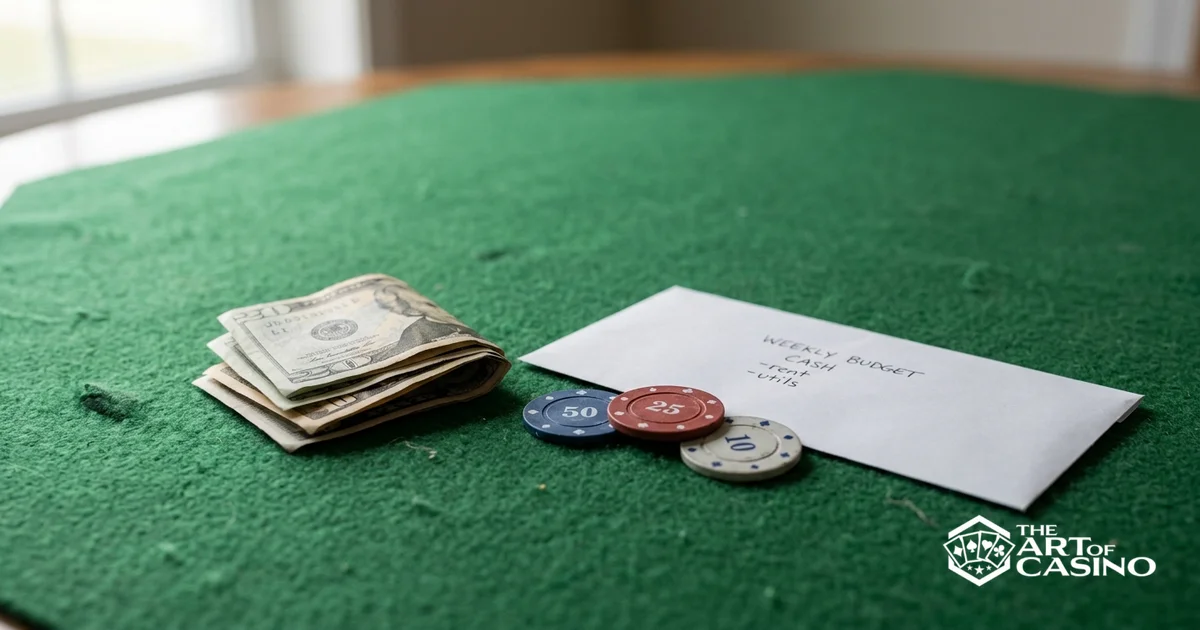
Your bankroll is the money you've set aside specifically for gambling. It's not your rent money, your savings, or cash you need for other expenses. It's an entertainment budget, like money you'd spend on concert tickets or a nice dinner out.
The golden rule: only gamble with money you can afford to lose completely.
How Much to Bring
The Entertainment Budget Method
Ask yourself: "How much would I spend on a night out?" If dinner and drinks cost $150 and you're comfortable with that, a similar amount makes sense for a casino visit.
For a full day at the casino:
- Budget-conscious: $100-200
- Moderate: $300-500
- Premium experience: $500-1000+
For a weekend trip:
- Daily budget × number of days
- Plus a reserve for unexpected opportunities
The Hourly Approach
Estimate how long you'll gamble and your average bet size:
Slot players:
- Penny slots, modest betting: $20-30/hour
- Dollar slots or higher denominations: $50-100/hour
Table game players:
- $10 minimum blackjack: $50-100/hour
- $25 minimum tables: $150-250/hour
Multiply your hourly rate by expected hours to set your budget.
The Session Approach
Divide your total bankroll into sessions:
If you have $500 for a weekend:
- Session 1 (Friday night): $150
- Session 2 (Saturday afternoon): $150
- Session 3 (Saturday night): $150
- Emergency reserve: $50
When a session's money is gone, that session is over. Wait for the next one.
Before You Leave Home
Decide Your Total Budget
Write down the maximum amount you'll gamble on this trip. This number is firm, no exceptions.
Leave Backup Cards at Home
Bring only the cash you've budgeted. If you bring credit cards or debit cards with high limits, you're one bad decision away from spending more than planned.
If you need a card for emergencies, set a daily ATM withdrawal limit before your trip.
Set Win and Loss Limits
Loss limit: When you've lost this amount, you stop gambling. Period.
Win goal: When you're up this amount, you lock in some profit. For example, if you're up $300, you might put $150 in your pocket and continue playing with the rest.
At the Casino
Avoid Casino ATMs
Casino ATMs charge high fees ($5-8 typically) and make it too easy to exceed your budget. If you must use one, the fees alone should give you pause.
Convert to Chips Strategically
At table games, buy in for your session amount and no more. When those chips are gone, walk away.
Track Your Play
It's easy to lose track of time and money in a casino. Check your remaining bankroll periodically, set phone alarms if needed.
Don't Chase Losses
The urge to win back losses is powerful and dangerous. If you've hit your loss limit, stop. The odds don't change because you've been losing. Tomorrow's gambling money won't make up for today's losses.
Game Selection for Bankroll Preservation
Lower House Edge = Longer Play
Games with better odds stretch your bankroll further:
Best odds:
- Blackjack (0.5% edge with basic strategy)
- Craps (1.4% on pass/don't pass)
- Baccarat (1.06% on banker)
Higher house edge:
- Roulette (5.26% American, 2.7% European)
- Most slot machines (2-15%)
- Novelty/carnival table games (often 3-25%+ depending on the bet)
Variance Matters
Low variance games produce smaller wins and losses. High variance games can wipe out your bankroll quickly but also offer bigger potential wins.
Lower variance:
- Blackjack
- Baccarat
- Video poker (full pay)
Higher variance:
- Slots (especially progressives)
- Craps side bets
- Single-number roulette bets
Choose based on your bankroll size and risk tolerance.
Minimum Bets and Buy-Ins
Match table minimums to your session bankroll:
| Session Bankroll | Suggested Max Bet |
|---|---|
| $100 | $5-10 |
| $200 | $10-15 |
| $500 | $15-25 |
| $1,000 | $25-50 |
Having 20-40 minimum bets gives you enough hands to weather short-term variance.
Managing Winnings
The Pocket Method
When you win a significant amount, physically separate some of it. Put cash or chips in a different pocket that you won't touch. This ensures you leave with something regardless of what happens next.
Setting a Win Stop
Decide in advance: "If I double my session bankroll, I'll take a break." Giving back winnings is psychologically harder than losing your original stake.
Don't Increase Bet Sizes Dramatically
Winning doesn't mean the next bet is more likely to win. Dramatically increasing bets after a win often leads to giving back those winnings quickly.
When to Walk Away
You've Hit Your Loss Limit
This is non-negotiable. When you reach your predetermined loss limit, stop playing.
You've Achieved Your Win Goal
Walking away a winner is satisfying. Don't let greed push you to give it all back.
You're Not Having Fun
Gambling should be entertainment. If you're stressed, frustrated, or chasing losses, it's time to stop regardless of where your bankroll stands.
You're Tired or Impaired
Judgment suffers when you're exhausted or intoxicated. Take a break, get some sleep, and return fresh if you want to continue.
You've Hit a Time Limit
Set a maximum gambling time as well as a money limit. Marathon sessions lead to poor decisions.
Practical Bankroll Tips
Use Cash, Not Credit
Casino credit and credit card cash advances carry high interest rates and fees. If you can't afford to bring cash, you can't afford to gamble.
Don't Borrow Money to Gamble
Never borrow from friends, family, or financial institutions to fund gambling. This is a warning sign of problem gambling.
Keep Records
Track your gambling over time. Knowing your actual wins and losses helps you budget realistically and spot potential problems early.
Account for Non-Gambling Expenses
Your casino trip includes meals, drinks, entertainment, and tips. Don't spend your food money on slots.
The 24-Hour Rule for Big Decisions
If you're considering a bet outside your normal comfort zone, wait 24 hours. If it still seems reasonable then, proceed. Usually, it won't.
Bankroll for Serious Players
If you gamble regularly, consider a dedicated bankroll separate from your regular finances:
The Separate Account Method
Open a bank account just for gambling:
- Deposit your monthly/annual gambling budget
- Only use this account for casino funds
- When it's empty, you're done until the next budget cycle
The Replenishment Rule
Decide how often you'll add to your gambling bankroll. Monthly contributions prevent impulsive deposits after losses.
Long-Term Tracking
Keep a spreadsheet of:
- Money deposited into your gambling bankroll
- Money withdrawn for other uses
- Net position over time
This reveals your true cost of gambling as entertainment.
Signs You Need to Reassess
Bankroll management isn't just about mathematics, it's about recognizing when gambling stops being fun:
- Gambling with money meant for bills or necessities
- Borrowing money to gamble
- Lying about gambling losses
- Chasing losses with bigger bets
- Feeling unable to stop gambling
- Gambling interfering with work or relationships
If any of these apply, consider taking a break and seeking support. The National Council on Problem Gambling helpline is 1-800-522-4700.
The Bottom Line
Smart bankroll management is the foundation of enjoyable gambling. Set a budget before you go, stick to your limits, and treat any winnings as a bonus rather than an expectation.
The house always has an edge. Over time, most gamblers lose money. Accepting this lets you focus on what gambling should be: entertainment. When you manage your bankroll properly, you control how much that entertainment costs.