

Walking into a casino for the first time can feel overwhelming. The flashing lights, the sounds of slot machines, the maze-like layout, it's a lot to take in. But with a little preparation, your first casino experience can be exciting rather than intimidating. Here's exactly what to expect from the moment you arrive until you cash out.
Before You Go
Check the Age Requirement
In the United States, most casinos require you to be 21 years old. Some states allow 18-year-olds to gamble, but these are exceptions. Always bring a valid government-issued ID, you will be asked for it, especially if you look young.
Set a Budget
Decide how much money you're willing to spend before you arrive. Think of this as entertainment money, not an investment. If you lose it all, your night is over but your bills are still paid.
Dress Appropriately
Most casinos have relaxed dress codes during the day. Clean, casual clothing is fine for the gaming floor. If you're planning to visit a nightclub or upscale restaurant within the casino, you may need to dress up.
Arriving at the Casino
Parking and Entry
Large casino resorts typically offer both valet and self-parking. Valet is convenient but expect to tip $5-10 when your car is returned. Self-parking at most casinos is free, though premium locations like Las Vegas Strip properties may charge.
When you enter, you'll likely pass through a security checkpoint. This is routine, they're looking for weapons, not judging you. Have your ID ready.
Getting Your Bearings
Casinos are intentionally designed to be disorienting. There are rarely windows or clocks, and the layout encourages wandering. Take a moment when you arrive to:
- Locate the restrooms
- Find the cashier cage
- Note where you parked or entered
- Look for the player's club desk
Signing Up for a Player's Card
Before you gamble a single dollar, sign up for the casino's loyalty program. It's free, takes five minutes, and earns you points on every bet you make. These points convert to free play, meals, hotel rooms, and other perks.
Even if you never return to that specific casino, many loyalty programs are part of larger networks. Your Caesars Rewards card works at any Caesars property, for example.
Understanding the Casino Floor
Slot Machines
Slots are the easiest games to play. Insert cash or a ticket, press a button, and hope for matching symbols. Modern slot machines accept bills from $1 to $100 and let you bet anywhere from a few cents to several dollars per spin.
Look for the denomination on the machine. A "penny slot" doesn't mean each spin costs a penny, it means each credit is worth a penny. Most penny slots encourage you to bet 50-100 credits per spin, so you might be betting $0.50 to $1.00 each time.
Table Games
Table games include blackjack, roulette, craps, baccarat, and poker. Each table has a sign showing the minimum and maximum bets. Look for tables with minimums you're comfortable with, $10 or $15 minimums are common, though you can find $5 tables at some casinos.
Don't worry about not knowing the rules. Dealers are generally happy to explain the basics, especially at slower times. You can also watch a few hands before sitting down.
The Pit
The area surrounded by table games is called "the pit." Pit bosses and floor supervisors work here, watching the games and handling disputes. They're not there to intimidate you, they're there to ensure fair play for everyone.
Your First Game
Starting with Slots
If you're nervous, slots are a pressure-free way to start. Find a machine that looks interesting, insert your money, and follow the on-screen instructions. The machine will tell you when you've won.
When you're done, press the "Cash Out" button to receive a ticket with your remaining balance. Take this ticket to the cashier or insert it into another machine.
Trying a Table Game
Blackjack is the most beginner-friendly table game. The goal is simple: get cards totaling closer to 21 than the dealer without going over.
To join a blackjack table:
- Wait for a break between hands
- Place your cash on the table (not in the dealer's hands)
- Say "changing [amount]" and the dealer will give you chips
- Place your bet in the betting circle before cards are dealt
- Use hand signals for your decisions (tap for hit, wave for stand)
The dealer will guide you through your first few hands if you explain you're new.
Casino Etiquette Basics
Handling Money and Chips
Never hand money directly to a dealer. Place it on the table. This rule exists so surveillance cameras can record all transactions clearly.
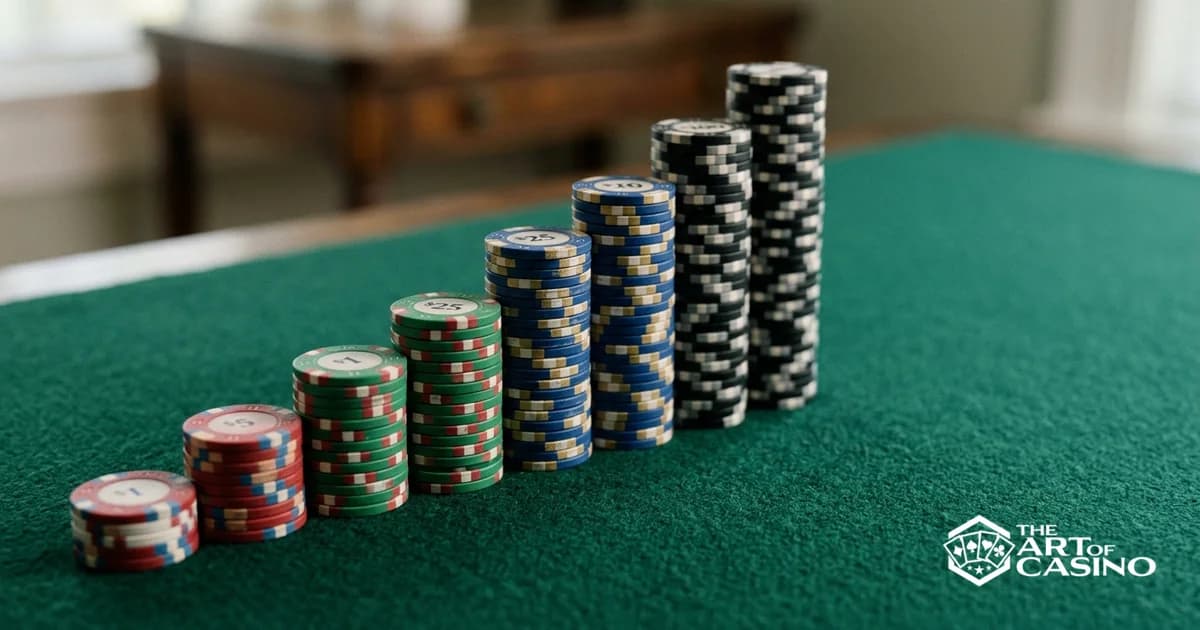
Keep your chips in neat stacks. Higher denominations go on the bottom. Don't touch your bet once the cards are dealt or the wheel is spinning.
Tipping
Tipping is customary but not required. If you're winning, it's polite to tip the dealer occasionally. You can either hand them chips directly or place a bet "for the dealer" in front of your betting area.
Cocktail servers bring free drinks to gamblers, tip $1-2 per drink. Tip valet attendants when they return your car.
Phone Use
Phone calls at the table are generally frowned upon. Taking photos on the gaming floor may be prohibited, check with staff before snapping pictures.
Getting Free Drinks
One of the perks of gambling is complimentary drinks. Cocktail servers circulate the floor taking drink orders from active players. You don't need to be betting big, even penny slot players can order drinks.
When the server returns with your drink, have a tip ready ($1-2 is standard). Better tips often mean faster service on return visits.
Be aware that drinks are designed to keep you gambling longer. Pace yourself, especially if you're making decisions at table games.
Taking Breaks
Saving Your Spot
At slot machines, you can use a player's card or ask an attendant to reserve your machine while you take a short break. At table games, you can ask the dealer to hold your spot for a few minutes.
Eating and Restrooms
Casino restaurants range from fast food to fine dining. Many offer 24-hour options. If you're gambling, you might qualify for discounted or comped meals, ask at the player's club.
Restrooms are scattered throughout the casino. If you can't find one, ask any employee.
Cashing Out
At Slot Machines
Press "Cash Out" and take your ticket to the cashier cage, or use a ticket redemption kiosk for amounts under a certain threshold (usually $500-1000).
At Table Games
When you're ready to leave, wait for a break in the action and tell the dealer "color me up." They'll exchange your smaller chips for larger denominations that are easier to carry to the cage.
At the Cage
Hand your chips and/or ticket to the cashier. For cash transactions over $10,000 in a single gaming day, casinos must record your ID and file a Currency Transaction Report under federal anti-money-laundering law (Title 31). This is not a tax form, and it applies whether or not you won.
What to Do If You Win Big
Stay calm. Enjoy the moment, but don't let excitement push you into reckless betting. If you've hit a significant jackpot:
- A slot attendant will come to verify the win
- You may need to provide ID for tax documentation
- For slot or keno wins of $1,200 or more, the casino will issue you a Form W-2G for tax reporting before paying out, and may withhold federal tax on very large wins
- The casino will pay you via check for very large amounts
- Consider setting aside a portion of your winnings immediately
Responsible Gambling
Gambling should be entertainment, not a way to make money. Before you go:
- Set a loss limit and stick to it
- Set a time limit for your visit
- Never chase losses with bigger bets
- Take breaks regularly
- Don't gamble money you can't afford to lose
If you find yourself gambling more than you planned or feeling unable to stop, help is available. The National Council on Problem Gambling offers a confidential helpline at 1-800-522-4700.
The Bottom Line
Your first casino visit doesn't have to be stressful. Arrive prepared, start with simple games, and focus on having fun rather than winning money. The house always has an edge, accepting this lets you enjoy gambling for what it is: entertainment with the possibility of a lucky win.
Take your time, ask questions when you need help, and remember that every experienced gambler was once exactly where you are now.