
The ability to read opponents is what makes live poker different from online. While betting patterns are the most reliable information, physical tells can provide valuable additional data. Here's how to spot them, and hide your own.
Understanding Tells
What Tells Are
Tells are unconscious physical behaviors that reveal information about a player's hand.
They can indicate:
- Hand strength
- Confidence level
- Deception
- Emotional state
The Truth About Tells
Betting patterns matter more. The best tells are how someone bets, not how they twitch.
Tells are player-specific. One person's "nervous" is another person's baseline.
Context matters. The same behavior can mean different things in different situations.
Professional tells are rare. Most reliable tells come from recreational players.
Reliable Tell Categories
Strong Hand Indicators
Players with strong hands often:
- Appear relaxed and comfortable
- Lean back from the table
- Make smooth, confident chip movements
- Breathe normally
- Make natural eye contact
- Speak in normal tone
The principle: Strength breeds confidence. Confident people relax.
Weak Hand Indicators
Players bluffing or weak often:
- Freeze or become very still
- Hold breath or breathe shallowly
- Avoid eye contact (or stare intensely as overcompensation)
- Place bets carefully/precisely
- Speak in higher pitch
- Cover mouth or touch face
The principle: Deception creates stress. Stress creates tension.
Specific Tells to Watch
The Speech Tell
What they say matters less than how they say it:
- Sudden chattiness: Often weak (trying to appear relaxed)
- Going quiet: Often strong (focusing, not overacting)
- Voice pitch changes: Stress indicator
- Unusual syntax: Cognitive load from lying
Ask questions: A simple "how much is that bet?" can reveal information through their response.
Timing Tells
How long they take:
- Instant call: Usually drawing or medium strength
- Tank then bet: Often value (thinking about sizing)
- Tank then check: Usually giving up
- Instant shove: Often polarized (very strong or bluff)
Exception: Skilled players randomize timing intentionally.
Chip Handling
Nervous or deliberate?
- Fumbling chips: Nervousness (could be excitement or stress)
- Careful stacking: Precise control under pressure
- Riffling chips: Often confidence
- Cutting out bet amounts: Thinking about value sizing
Eye Behavior
Where they look:
- Quick glance at chips after seeing cards: Often strong (considering bet)
- Looking at opponents: Sizing up competition (often strong)
- Avoiding eye contact: Could be weak or could be strong acting weak
- Staring down: Often a bluff (intimidation)
Caution: Eye tells are among the least reliable and most commonly faked.
Posture Changes
Body position:
- Leaning forward: Interest/strength
- Leaning back: Relaxation/strength
- Frozen: Stress/bluffing
- Sudden fidgeting: Change in emotional state
Betting Motion
How they bet:
- Forceful chip splash: Often bluff (appearing strong)
- Gentle slide: Often value (minimizing threat)
- Hand trembling: Adrenaline (usually strong hand, not weak)
- Hesitant reach: Uncertainty
Key insight: Trembling hands almost always indicate a strong hand. It's adrenaline from excitement, not fear.
The Most Reliable Tells
1. Trembling Hands
When players bet with visibly shaking hands, they almost always have a monster. This is adrenaline from excitement, not nervousness.
Reliability: High
2. Chip Glance
When a player looks at their chips immediately after seeing the flop/turn/river, they're often planning to bet. This suggests they hit something good.
Reliability: High (recreational players)
3. Sudden Stillness
A player who goes completely motionless after betting is often bluffing. They're trying not to give anything away by not moving at all.
Reliability: Medium-High
4. Defensive Chip Stacking
A player who stacks chips protectively over their cards after seeing them is often protecting a hand they like.
Reliability: Medium
5. Post-Bet Behavior
How someone acts after betting:
- Looking away: Often strong (non-threatening)
- Staring at opponent: Often bluffing (intimidating)
- Chatty: Often weak
- Quiet: Often strong
Reliability: Medium (varies by player)
Establishing Baselines
Why Baselines Matter
The same behavior can mean opposite things:
- Player A touches face when bluffing
- Player B touches face when holding nuts
- Without baseline, you can't interpret
How to Establish Baseline
Watch showdowns:
- Note behaviors when hands are revealed
- Connect tells to actual hand strength
- Build player-specific patterns
Watch non-critical moments:
- How do they normally sit?
- Normal speech pattern?
- Typical chip handling?
Telling on Yourself
Your Own Tells
You have tells too. Common leaks:
- Looking at chips when you hit
- Betting differently with strong vs weak
- Changing posture with hand strength
- Voice changes when bluffing
Hiding Your Tells
Standardize everything:
- Same betting motion every time
- Same posture
- Same timing (or randomized)
- Minimal speaking while in hands
Create distractions:
- Consistent small talk
- Predictable fidgeting
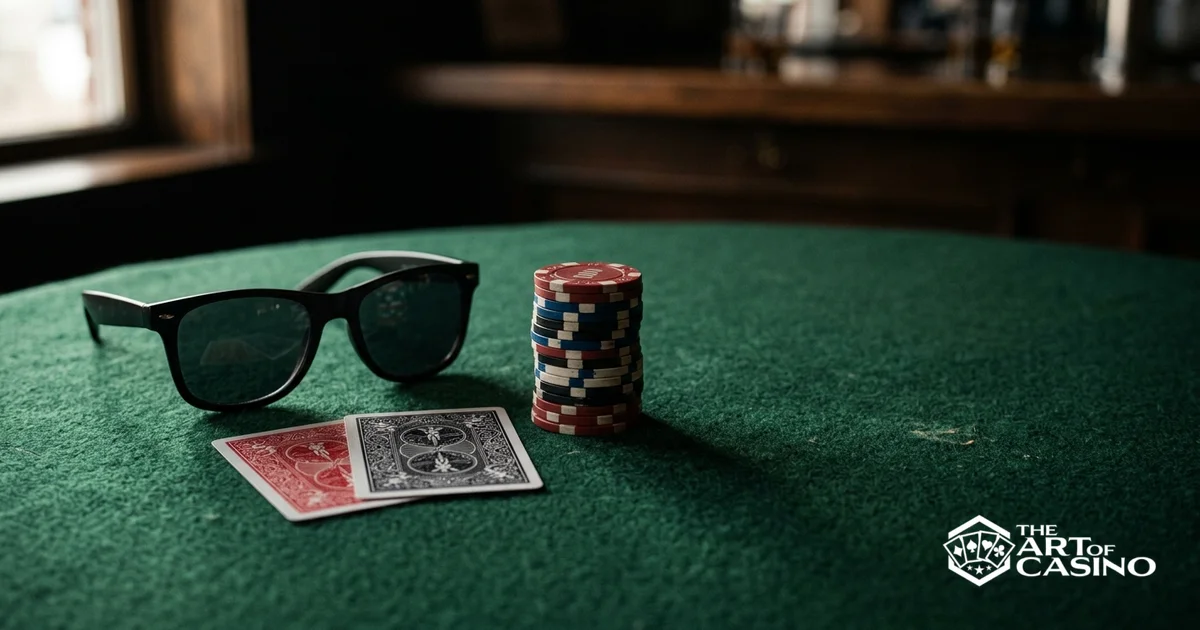
- Sunglasses/hoodies (if allowed)
The Robotic Approach
Most pros adopt the same routine every hand:
- Look at cards the same way
- Same timing before action
- Same betting motion
- Same post-action behavior
Hard to read when there's nothing to read.
Common Mistakes with Tells
Overvaluing Tells
Betting patterns trump physical tells. A player who bets 3x pot into a paired board is representing a house, their posture is secondary information.
Acting on Single Observations
One tell isn't enough. Gather multiple data points. Look for consistency.
Seeing What You Want to See
Confirmation bias is real. You want that call to be a bluff, so you "see" bluffing tells. Fight this.
Ignoring Context
The same tell means different things:
- Early tournament vs bubble
- Deep stack vs short stack
- Recreational vs regular
Forgetting Your Own Table Image
They're watching you too. If you've been caught bluffing, your "strong hand tells" might make them call anyway.
Advanced Tell Strategy
Leveling
Level 1: What do I have? Level 2: What do they think I have? Level 3: What do they think I think they have? Level 4: What do they think I think they think I have?
With experienced players, tells become a meta-game. They may display fake tells intentionally.
False Tells
Deliberately show "weakness" when strong:
- Hesitate before betting the nuts
- Appear nervous with a monster
- Sigh before raising big
Only works against observant opponents.
The Reverse Tell
Make the same motion mean different things:
- Session 1: Chip riffle = bluff
- Session 2: Chip riffle = nuts
Creates confusion, reduces predictability.
Live vs. Online
What You Lose Online
- Physical tells
- Speech patterns
- Chip handling
- Posture/eye contact
- Real-time reactions
What Remains Online
- Timing tells (bet speed)
- Bet sizing patterns
- Pre-action indicators
- Chat behavior
The Transition
Players moving online to live often:
- Overvalue tells initially
- Undervalue bet patterns
- Make bet sizing mistakes visible live
Practice and Development
Improving Tell Reading
Watch without playing:
- Observe from rail
- Watch poker streams/TV
- Study showdowns
During play:
- Focus on one player per session
- Note tells, verify at showdown
- Build player profiles mentally
Review sessions:
- What tells did you spot?
- Were they accurate?
- What did you miss?
The Long Game
Tell reading is a skill developed over years:
- Start with obvious tells
- Graduate to subtle patterns
- Eventually, it becomes intuitive
The Bottom Line
Physical tells are real and exploitable, but they're the icing, not the cake. Betting patterns, position, and fundamental strategy matter more.
For beginners:
- Focus on your own game first
- Watch for the most reliable tells (trembling, chip glance)
- Don't force reads, trust patterns over tells
For experienced players:
- Establish baselines for regulars
- Combine tells with betting analysis
- Manage your own tells religiously
The best tell readers in the world still lose to players who just play solid fundamentally. Don't let tell-hunting distract from playing good poker.