
Carnival games, proprietary table games like Three Card Poker, Let It Ride, and Mississippi Stud, fill casino floors alongside traditional games. Learning these games adds versatility to any dealing resume and opens scheduling flexibility.
While rarely a standalone career path, carnival game proficiency makes dealers more valuable and employable.
What Are Carnival Games?
Definition
Carnival games (also called "proprietary games" or "casino table games") are trademarked games developed by gaming companies and licensed to casinos. They differ from traditional games like blackjack and craps.
Common characteristics:
- Simpler rules than poker or craps
- Fixed strategy decisions
- Bonus bet opportunities
- Higher house edges on main bets, much higher on bonuses
- Designed for entertainment and excitement
Popular Carnival Games
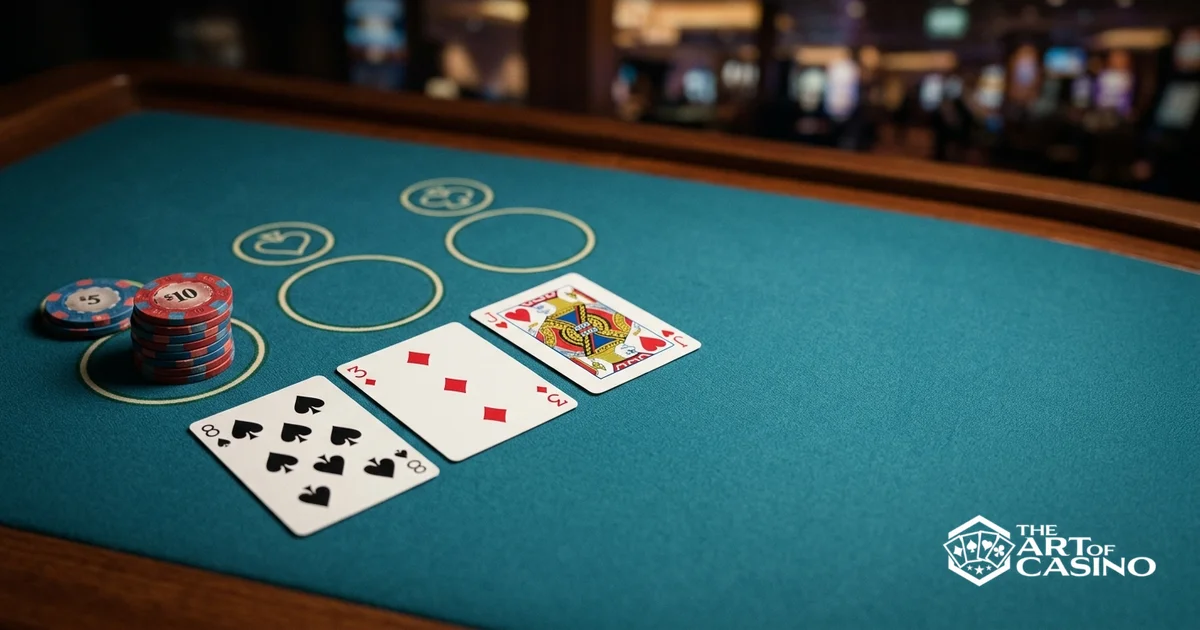
Three Card Poker: Players make three-card hands competing against the dealer. Ante/Play structure with optional Pair Plus bonus.
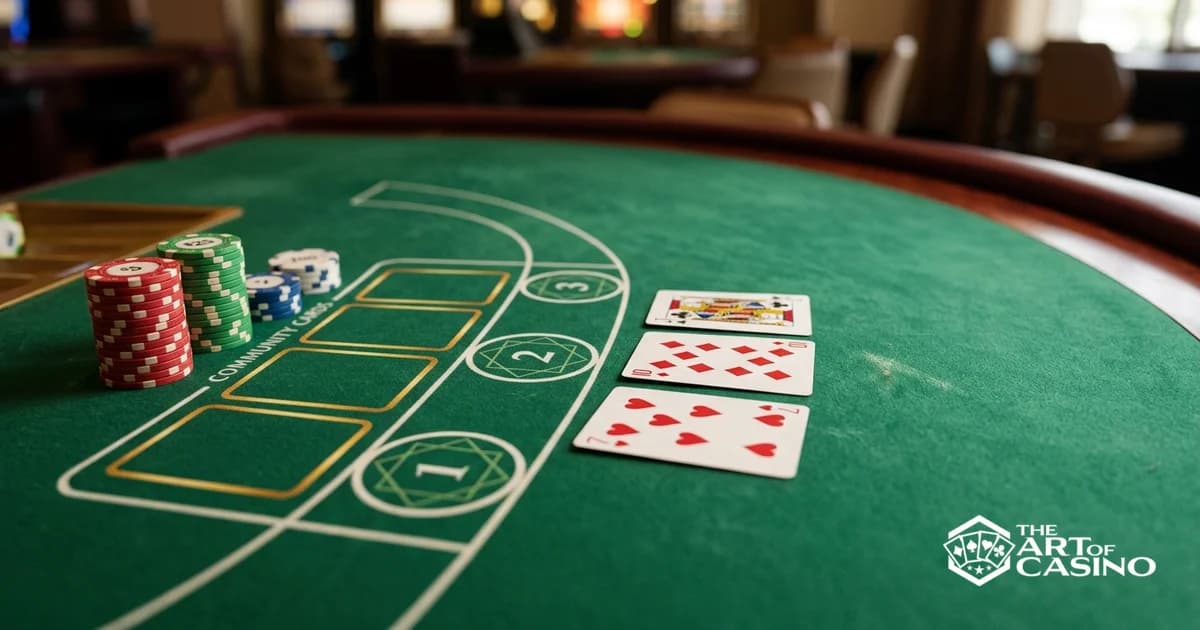
Let It Ride: Players receive three cards, with two community cards revealed. Option to withdraw bets or "let it ride."
Mississippi Stud: Similar to Let It Ride with different bet structure and payouts.
Pai Gow Poker: Seven cards split into five-card and two-card hands. Players compete against dealer.
Ultimate Texas Hold'em: Hold'em-style game against the dealer with multiple betting rounds.
Four Card Poker: Similar to Three Card Poker but with four-card hands and different rank structure.
Caribbean Stud: Five-card stud poker against the dealer with progressive jackpot option.
Why Learn Carnival Games
Scheduling Flexibility
Fill needs: Casinos need dealers who can work carnival pits. Being able to fill these positions increases your value.
Shift availability: More games you can deal = more shift options. Carnival proficiency opens scheduling flexibility.
Pit coverage: Many pits mix carnival games with blackjack. Being able to deal the whole pit makes you more useful.
Learning Accessibility
Simpler than craps: Most carnival games are procedurally simpler than craps or even blackjack. Payouts are often fixed regardless of bet size.
Quick to learn: A dealer proficient in blackjack can typically learn a carnival game in 1-2 days of training.
Similar base skills: Card handling, chip work, and player management transfer directly from blackjack.
Career Value
Versatility: Dealers who can work multiple game types are more valuable to employers.
Job security: Versatile dealers are less likely to be cut during slow periods.
Better properties: Some properties require multi-game proficiency. Carnival game skills may be necessary for hiring at preferred casinos.
Game-Specific Details
Three Card Poker
Structure:
- Ante bet required
- Pair Plus bet optional (bonus for pair or better)
- Players receive three cards
- Players fold (lose ante) or play (match ante)
- Dealer qualifies with Queen-high or better
- Standard hand rankings apply
Dealing focus:
- Clear bet placement
- Qualify/no-qualify procedures
- Pair Plus pays regardless of play decision
Income notes:
- Fast-paced, many hands per hour
- Bonus bets generate excitement and tips
- Popular game at many properties
Let It Ride
Structure:
- Three equal bets placed
- Three player cards, two community cards
- After seeing cards: option to withdraw first bet or let it ride
- After first community card: option to withdraw second bet or let it ride
- Final hand evaluated, third bet always plays
Dealing focus:
- Managing bet withdrawal correctly
- Community card reveal timing
- Multiple players at different decision points
Income notes:
- Moderate pace
- Player excitement on bonus hands
- Tips often come on big payouts
Pai Gow Poker
Structure:
- Seven cards dealt to each player and dealer
- Split into five-card (high) hand and two-card (low) hand
- High hand must outrank low hand
- Win both hands: win; lose both: lose; split: push
- Banker option rotates to players
Dealing focus:
- More complex than other carnival games
- Setting hands correctly when banking
- Commission on banker wins
Income notes:
- Slower pace, social game
- Many pushes reduce volatility
- Steady but not spectacular income
Mississippi Stud
Structure:
- Ante bet, then three community cards revealed one at a time
- Bet 1-3x ante before each reveal
- Final hand evaluated against pay table
- No dealer hand, pure player vs. table
Dealing focus:
- Managing escalating bets
- Clear communication of bet options
- Pay table accuracy
Income notes:
- Can be volatile (players win or lose significantly)
- Big hands generate excitement and tips
- Fast-paced dealing
Ultimate Texas Hold'em
Structure:
- Ante and blind bets
- Five community cards plus two player cards
- Multiple betting opportunities (3x-4x preflop, 2x flop, 1x river)
- Final hand competes against dealer
Dealing focus:
- Multiple betting rounds
- Complex showdown procedures
- Trips side bet handling
Income notes:
- Popular game, often busy
- Higher average bet sizes
- Complex procedures require attention
Dealing Multiple Games
Rotation Challenges
Game switching: Carnival pits often have dealers rotating between different games. Switching mental gears between game procedures requires flexibility.
Procedure memory: Each game has distinct procedures. Keeping them separate while rotating requires practice.
Payout variations: Pay tables differ by game. Accuracy requires knowing which pay table applies to current game.
Mixed Pits
Common combinations: Many casinos group carnival games together in mixed pits. One rotation might include:
- Three Card Poker
- Let It Ride
- Mississippi Stud
- Blackjack side-bet games
Versatility value: Dealers who handle entire mixed pits are more valuable than those who can only deal some games.
Income Expectations
Comparable to Blackjack
Carnival game income typically matches blackjack at the same property. The games are similar in pace and betting behavior.
No significant premium: Unlike craps or high-limit baccarat, carnival games don't command income premiums.
Bonus bet excitement: Players hitting bonus hands often tip generously in the moment.
When Carnival Games Excel
Busy pits: Full carnival tables with enthusiastic players generate solid tips.
Progressive jackpots: Games with progressive jackpots create excitement. Winners sometimes tip significantly.
Entertainment focus: Players at carnival games are often there for entertainment, which can mean more generous tipping.
Career Integration
Typical Learning Path
After blackjack: Most dealers learn carnival games after establishing blackjack proficiency. They're usually taught on the job or through brief additional training.
Property requirements: Some casinos require carnival game proficiency within a certain period of employment.
School coverage: Better dealer schools include carnival games in curriculum. Others teach only blackjack.
Long-Term Role
Supporting skill: Carnival games are rarely a primary specialization. They supplement core games (blackjack, craps) to create a versatile dealer.
No dedicated career path: There's no "carnival games specialist" career path. They're additions to a broader skill set.
Property-dependent value: Properties with heavy carnival game focus value these skills more. Properties with minimal carnival presence care less.
The Games' Future
Growing Popularity
New carnival games continue appearing. Recent additions include:
- Face Up Pai Gow
- High Card Flush
- Crazy 4 Poker
- DJ Wild
Licensed Games
Some carnival games are tied to entertainment licenses:
- Branded slot themes adapted to table games
- Movie and TV tie-ins
- Sports-themed variants
Digital Integration
Electronic versions of carnival games are increasingly common. Some properties mix electronic and live dealing.
Frequently Asked Questions
Are carnival games hard to learn?
Most are simpler than blackjack. The procedures are straightforward, the decisions are limited, and pay tables are fixed. A dealer comfortable with blackjack can typically learn a carnival game in 1-2 training sessions.
Do I need to know carnival games for a dealing job?
Depends on the property. Some require carnival proficiency; others teach on the job. Being pre-trained in carnival games can help during hiring.
Which carnival games should I learn first?
Three Card Poker is the most common and useful. After that, Let It Ride and Mississippi Stud are widely spread. Pai Gow Poker is valuable but more complex.
Can I make a career dealing only carnival games?
Not practically. Carnival games supplement other skills rather than standing alone. Most dealing jobs require blackjack at minimum, with carnival games as additions.
Do carnival game dealers make good tips?
Comparable to blackjack. No special premium, but no disadvantage either. Bonus bet payouts can generate nice tips when players hit.
Additional Resources
- How to Deal Carnival Games - Step-by-step procedures
- How to Become a Casino Dealer - Complete career guide
- Three Card Poker - Game rules for player perspective