

How to Play Slots: The Complete Guide to Slot Machines
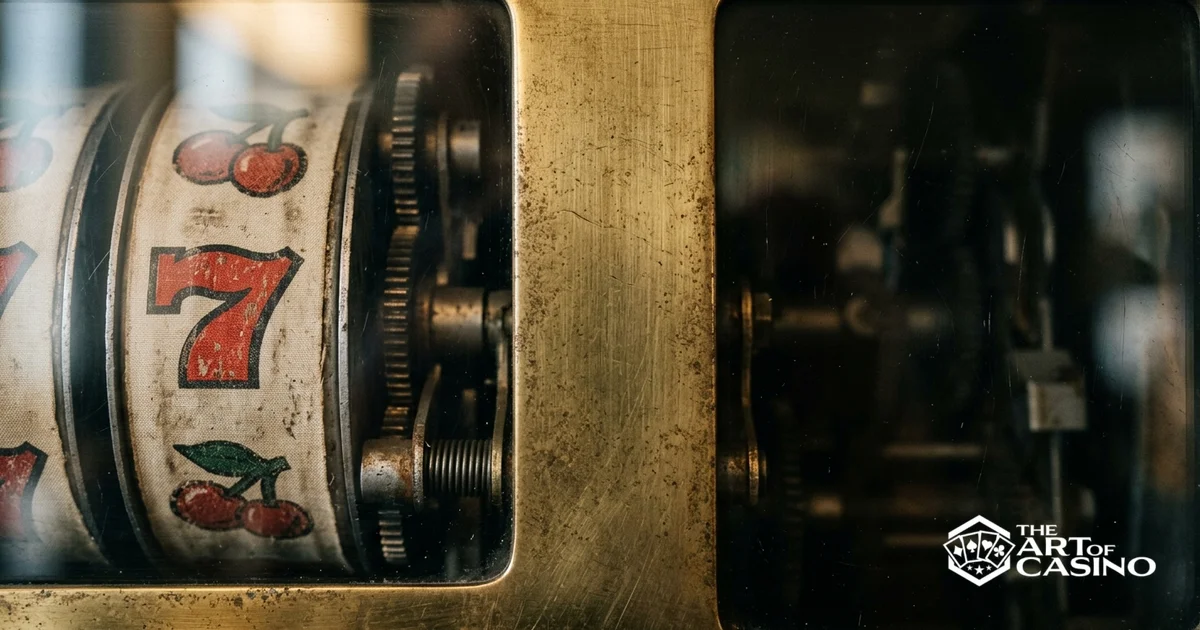
Slot machines are the most popular form of casino gambling in the world. They generate more revenue than all other casino games combined and attract players with their simplicity, variety, and the dream of life-changing jackpots. Whether you call them slots, fruit machines, or pokies, these games dominate casino floors worldwide.
This guide explains how slot machines actually work, what determines your chances of winning, and how to make informed decisions when playing.
Table of Contents
- What Are Slot Machines?
- How Slots Work
- Types of Slot Machines
- Understanding Paylines
- RTP and Volatility
- Slot Features and Bonuses
- Progressive Jackpots
- Slot Strategy
- Common Myths
- Responsible Slot Play
- Frequently Asked Questions
- Conclusion
What Are Slot Machines?
Slot machines are gambling devices where players bet money, spin reels, and win or lose based on the combination of symbols that appear. Modern slots are computerized and use random number generators to determine outcomes, the spinning reels are just for show.
A Brief History
Slot machines originated in the late 1800s with mechanical devices featuring three spinning reels and a limited number of symbols. The famous Liberty Bell, created by Charles Fey in 1895, established the basic format that persisted for decades.
Electromechanical machines emerged in the 1960s, adding lights and electronic sounds. Video slots arrived in the 1970s and 1980s. Today's slots are sophisticated computers with high-definition displays, surround sound, and complex game mechanics.
Why Slots Are Popular
Several factors drive slot popularity:
No Skill Required: Anyone can play. No strategy to learn, no decisions to make beyond how much to bet.
Variety: Thousands of different themes, from ancient Egypt to popular movies to original creations. There is a slot for every interest.
Convenience: Play alone, at your own pace, without waiting for a seat or interacting with dealers.
Jackpot Potential: Progressive slots offer multi-million dollar prizes for small bets.
Entertainment Value: Modern slots feature engaging graphics, animations, and bonus games that provide entertainment beyond the gambling.
How Slots Work
Understanding slot machine mechanics helps you make informed decisions and avoid common misconceptions.
Random Number Generators (RNG)
Every modern slot uses a random number generator, a computer program that continuously generates random numbers, thousands per second. When you press spin, the RNG's current number determines the outcome.
Key points about RNGs:
- Results are determined the instant you spin, not during the reel animation
- Each spin is independent, previous results do not influence future spins
- The RNG runs continuously, even when nobody is playing
- Results are random and unpredictable
Reels and Stops
Physical reels are obsolete in most modern slots. Video slots display virtual reels with far more possibilities than mechanical reels could offer.
Each reel has multiple "stops", positions where symbols can land. A three-reel slot with 20 stops per reel has 20 × 20 × 20 = 8,000 possible combinations. Video slots can have hundreds of stops per reel, creating millions of combinations.
Weighted Symbols
Not all symbols appear equally often. High-value symbols are programmed to appear less frequently than low-value symbols. This weighting creates the game's mathematics and ensures the casino maintains its edge.
Return to Player (RTP)
RTP represents the theoretical percentage of wagered money that a slot returns to players over millions of spins. A 96% RTP slot returns $96 for every $100 wagered, keeping $4 as profit.
Important: RTP is calculated over millions of spins. Short-term results can vary dramatically from the theoretical return.
The Casino's Edge
The "house edge" is 100% minus RTP. A 96% RTP slot has a 4% house edge. Over time, the casino keeps about 4 cents of every dollar wagered.
Slot house edges typically range from 2% to 15%, depending on the casino, game, and denomination.
Types of Slot Machines
Slots come in many varieties. Understanding the differences helps you choose games that match your preferences.
Classic Slots (Three-Reel)
Traditional format with three reels and simple gameplay. Usually one to five paylines. Appeal to players who prefer straightforward gambling without complex features.
Characteristics:
- Three reels
- Limited symbols (typically 7-10)
- Few paylines
- Simple, fast play
- Often higher volatility
Video Slots (Five-Reel)
The modern standard with five reels, multiple paylines, and bonus features. Most casino slots fall into this category.
Characteristics:
- Five reels (sometimes more)
- 20 to 100+ paylines or "ways to win"
- Bonus rounds and free spins
- Wild and scatter symbols
- Varied themes and graphics
Megaways Slots
A format featuring variable reels that change the number of symbols with each spin. The number of "ways to win" varies dynamically, sometimes reaching over 100,000.
Characteristics:
- Varying reel sizes
- Typically 10,000 to 117,649 ways to win
- Cascading wins (winning symbols disappear)
- Often high volatility
Progressive Slots
Machines linked together with a portion of each bet feeding a growing jackpot. Jackpots can reach millions of dollars.
Characteristics:
- Jackpot grows with play
- Must bet max for jackpot eligibility (usually)
- Lower base-game RTP
- Huge potential wins, rare occurrence
Penny Slots
Low-denomination machines where you can bet as little as one cent per line. However, with 25-50 lines, minimum total bets often reach $0.25 to $0.50.
Characteristics:
- Low cost per line
- Multiple lines required for full coverage
- Total bet can add up
- Often found in high volume on casino floors
High-Limit Slots
Machines with higher denominations ($1, $5, $25, $100 per credit) typically located in dedicated high-limit areas. Usually offer better RTP than penny slots.
Characteristics:
- Higher cost per spin
- Better RTP (typically 94-98%)
- Separate from main floor
- Larger potential wins
Understanding Paylines
Paylines determine how winning combinations are formed. Understanding them is essential for knowing what you are betting on.
Traditional Paylines
Classic slots use a single payline across the middle of the reels. Matching symbols must land on that line to win.
Modern slots expanded this to multiple paylines, diagonal lines, zigzags, and complex patterns. Twenty to fifty paylines are common.
Ways to Win
Many modern slots replace paylines with "ways to win" systems. Instead of specific lines, matching symbols anywhere on adjacent reels create wins.
243 ways to win: Matching symbols on any position of reels 1-2-3-4-5 (reading left to right) pay. Calculated as 3 × 3 × 3 × 3 × 3 = 243 positions.
1024 ways to win: Same concept with four symbols per reel (4 × 4 × 4 × 4 × 4).
Cluster Pays
Some slots pay when groups of matching symbols form clusters (usually 5 or more symbols touching) anywhere on the grid, regardless of position.
What You Need to Know
- Check the paytable to understand how wins form
- More paylines usually means more cost per spin
- Betting on partial paylines reduces potential wins
- "Ways to win" systems typically require all ways to be active
RTP and Volatility
Two concepts determine how slot machines behave mathematically: RTP and volatility.
Return to Player (RTP)
RTP is the theoretical percentage of money returned to players over time.
Common RTP ranges:
- Penny slots: 88-92%
- Dollar slots: 93-95%
- High-limit slots: 95-98%
- Online slots: 94-97%
Higher RTP means lower house edge. A 96% RTP slot has a 4% house edge versus 10% for a 90% RTP slot.
Finding RTP information:
- Online slots usually display RTP in game information
- Land-based casinos rarely publicize specific machine RTP
- State gaming reports show averages by denomination
- Third-party databases track online slot RTPs
Volatility (Variance)
Volatility describes how slot payouts are distributed, not how much the machine returns, but how it returns it.
Low Volatility:
- Frequent small wins
- Bankroll lasts longer
- Less dramatic swings
- Rare big hits
High Volatility:
- Infrequent wins
- Larger when they hit
- Can lose quickly or win big
- More dramatic sessions
Medium Volatility:
- Balanced between extremes
- Most common configuration
Choosing Based on Play Style
If you want longer sessions: Choose low to medium volatility slots. Your bankroll stretches further with frequent small wins.
If you want shot at big wins: Choose high volatility slots. Accept that you may lose your bankroll quickly, but when you win, it is often substantial.
If you have limited bankroll: Low volatility is safer. High volatility can empty your wallet before hitting a win.
Slot Features and Bonuses
Modern slots include numerous features that add excitement and winning opportunities.
Wild Symbols
Wilds substitute for other symbols to complete winning combinations (like a joker in card games). They do not typically substitute for scatters or bonus symbols.
Wild variations:
- Expanding Wilds: Expand to fill entire reels
- Stacked Wilds: Multiple wilds stacked on a reel
- Sticky Wilds: Remain in place for multiple spins
- Walking Wilds: Move across reels with each spin
- Multiplier Wilds: Multiply wins they help create
Scatter Symbols
Scatters typically trigger bonus features when enough appear anywhere on the reels (not just on paylines). Three scatters commonly trigger free spins or bonus games.
Free Spins
The most common bonus feature. Landing trigger symbols (usually scatters) awards a set number of free spins where you play without wagering. Free spins often include enhanced features like multipliers or additional wilds.
Pick-and-Click Bonuses
Interactive bonus rounds where you choose from options to reveal prizes. Pure luck, but engaging and providing additional winning opportunities.
Cascading/Tumbling Reels
Winning symbols disappear and new symbols fall into place, potentially creating additional wins from a single spin. Consecutive wins can chain together.
Multipliers
Features that multiply wins by specified amounts. Can apply to base game wins, free spin wins, or bonus round wins.
Buy Bonus Features
Some slots allow you to pay to trigger the bonus round directly, typically at 50-100x the base bet. Controversial but popular among players who prefer bonus rounds.
Progressive Jackpots
Progressive slots offer the largest prizes in the casino, sometimes life-changing millions from a single spin.
How Progressives Work
A small percentage of every bet on linked machines feeds a growing jackpot. The jackpot continues growing until someone wins, then resets to a base amount and begins building again.
Types of progressives:
- Standalone: Single machine with its own jackpot
- Local: Machines within one casino linked together
- Wide Area: Machines across multiple casinos linked (largest jackpots)
Famous Progressive Slots
- Megabucks: The original wide-area progressive. Multiple eight-figure jackpots paid.
- Wheel of Fortune: Popular progressive with various configurations.
- Mega Moolah: Online progressive with multiple multi-million dollar payouts.
Should You Play Progressives?
Pros:
- Possibility of massive, life-changing win
- Exciting when jackpot is high
- Same basic gameplay as other slots
Cons:
- Lower base game RTP (portion feeds jackpot)
- Jackpot odds are extremely long (often 1 in 50 million)
- Must usually bet max for jackpot eligibility
- Can be expensive to play properly
Guideline: If you are playing for entertainment and the jackpot is just a bonus possibility, progressives are fine. If you are counting on the jackpot, understand that the odds are similar to lottery tickets.
Slot Strategy
Slot machines are games of chance with no strategy that changes the mathematical outcome. However, smart decisions can optimize your experience.
Choosing Machines
Higher denominations have better RTP: Dollar slots typically return more than penny slots. If your bankroll allows, play fewer spins at higher denominations rather than many spins at lower denominations.
Check the paytable: Understand what you need for significant wins. Some slots heavily weight jackpots, meaning base game returns are poor.
Know the features: Choose slots with features you enjoy. If you like free spins, pick slots with generous free spin triggers.
Bankroll Management
Set a budget: Decide how much you can afford to lose before you start. Never exceed this amount.
Choose appropriate bet sizes: Your bankroll should cover at least 200-300 spins at your bet level to have a reasonable session. $100 bankroll = approximately $0.33-$0.50 per spin maximum.
Set win goals: Decide on a win amount that triggers walking away. Locking in wins prevents giving them all back.
Take breaks: Slot play can be hypnotic. Regular breaks help maintain perspective and enjoyment.
What Does NOT Work
"Due" machines: Machines are never due to pay. Each spin is independent.
Timing your play: The time of day, day of week, or how long since the last jackpot has no effect on results.
Location of machines: Where a machine sits does not affect its RTP.
Betting patterns: Varying bet sizes does not change the mathematical outcome.
Common Myths
Slot machines are surrounded by persistent myths that influence player behavior. Understanding reality helps you make better decisions.
Myth: Machines Get "Hot" or "Cold"
Reality: Each spin is independent. A machine that just paid a jackpot has the same odds on the next spin as a machine that has not hit in hours. The RNG does not track results.
Myth: Casinos Can Flip a Switch to Change Payouts
Reality: Changing slot programming requires physical access to the machine, regulatory approval, and in many jurisdictions, the machine must be out of play for 24-72 hours. Casinos cannot adjust payouts on the fly.
Myth: Using a Player's Card Reduces Payouts
Reality: The player tracking system and the random number generator are separate systems. Using your card does not affect the RNG in any way. Always use your card for the comps and benefits.
Myth: New Machines Pay Better
Reality: There is no rule about new machines paying better. Each machine's RTP is set by its program, which does not change based on how new or old the machine is.
Myth: Higher Bets Increase RTP
Reality: RTP is the same regardless of bet size on most machines. The exception is progressive jackpots that require max bet eligibility, in that case, not betting max reduces your effective RTP because you cannot win the jackpot.
Myth: Playing Faster Increases Chances of Winning
Reality: The RNG produces random results regardless of pace. Playing faster just means losing faster (on average). Slow down to extend your entertainment.
Responsible Slot Play
Slots are designed to be engaging, sometimes too engaging. Playing responsibly protects your finances and enjoyment.
Set Limits Before Playing
Budget limit: How much can you afford to lose? This is your hard stop.
Time limit: How long will you play? Set an alarm if needed.
Win limit: At what win amount will you walk away? Keeping winnings requires actually leaving.
Recognize Warning Signs
- Chasing losses with bigger bets
- Playing longer than intended
- Borrowing money to gamble
- Feeling anxious or upset while playing
- Neglecting responsibilities to play
- Lying about gambling
If you experience these signs, take a break and consider seeking help.
Use Casino Tools
Most casinos offer responsible gambling tools:
- Self-exclusion programs
- Deposit limits (online)
- Time limit reminders
- Reality checks showing time and money spent
Resources for Help
If gambling becomes a problem:
- National Council on Problem Gambling: 1-800-522-4700
- Gamblers Anonymous: www.gamblersanonymous.org
- National Problem Gambling Helpline
Frequently Asked Questions
Conclusion
Slot machines offer simple, entertaining gambling with the potential for big wins. They require no skill, move at your pace, and come in endless varieties to match any interest.
For informed play:
- Understand that RNG ensures random, independent results
- Choose machines based on denomination and RTP when possible
- Select volatility that matches your goals and bankroll
- Use your player's card, it does not affect results
For enjoyable play:
- Set strict budgets and stick to them
- Treat slots as entertainment, not income
- Take breaks to maintain perspective
- Walk away after big wins
For responsible play:
- Never chase losses
- Know the warning signs of problem gambling
- Use available responsible gambling tools
- Seek help if gambling stops being fun
Slots are entertainment. When played within your means with realistic expectations, they provide excitement and the occasional thrill of a big win. Enjoy the spins.
Slots Strategy & Smart Play Guides
14 min read
10 min read
Slots Game Variations
Varies by machine
Varies (typically 8-15%)
Typically 3-6%
Explore the players and pioneers who shaped casino gaming in our Hall of Fame.