
Casinos are designed to be immersive but disorienting. The maze-like layouts, absence of windows and clocks, and strategic placement of gaming areas all serve a purpose: keeping you inside longer. Understanding how casinos are organized helps you navigate efficiently, find what you want, and avoid wandering aimlessly.
Why Casinos Feel Like Mazes
Casino design is intentional. The layout encourages exploration and exposure to as many gaming options as possible. Common design tactics include:
- No straight paths: Walkways curve and wind through gaming areas
- Slot machines at entrances: You pass games before reaching anything else
- Hidden amenities: Restaurants, restrooms, and exits are tucked away
- Consistent lighting: No windows, uniform light levels mask time passing
- No clocks: Nothing reminds you how long you've been playing
Understanding this helps you navigate with intention rather than wandering by design.
Finding the Casino Map
Physical Maps
Most casinos provide printed maps at:
- Hotel front desk
- Player's club/rewards desk
- Concierge stations
- Information kiosks
Digital Maps
- Casino websites usually have floor plans
- Casino apps often include interactive maps
- Google Maps sometimes shows interior layouts for major casinos
Ask Staff
Every employee knows the layout. Don't hesitate to ask for directions; it's one of their most common questions.
Common Casino Zones
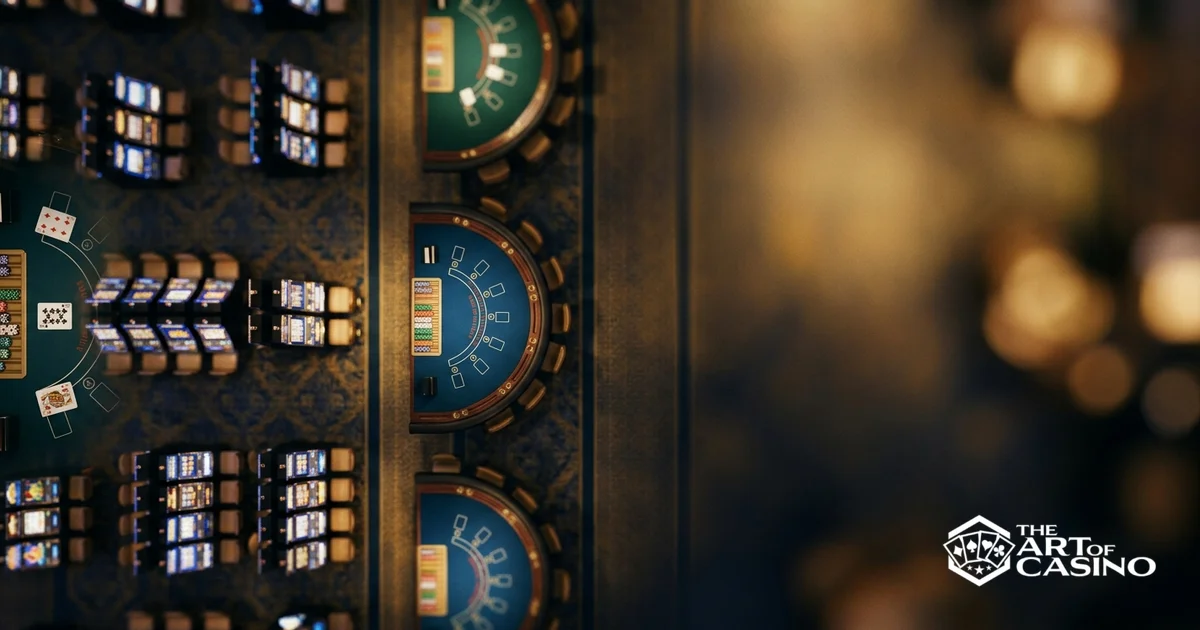
The Gaming Floor
The heart of the casino, typically organized by game type:
Slot Areas:
- Usually near entrances and high-traffic paths
- Grouped by denomination (penny, quarter, dollar, high-limit)
- Themed sections with related machines
- Progressive jackpot banks in prominent locations
Table Game Pits:
- Blackjack tables often near center of floor
- Craps tables typically grouped together (they're loud)
- Roulette scattered or in dedicated areas
- Baccarat often in a separate, upscale section
- Poker room usually in its own enclosed space
High-Limit Areas:
- Separate sections with higher minimum bets
- Often require player's card tier status or invitation
- More luxurious seating and service
- Located away from main floor traffic
The Sportsbook
A dedicated area for sports betting, typically featuring:
- Large screens showing multiple sporting events
- Betting windows and self-service kiosks
- Lounge seating, sometimes with individual screens
- Bar service
Sportsbooks are usually on the casino's edge or a separate floor level.
Poker Room
A physically separated space for poker games:
- Cash game tables organized by stakes
- Tournament area
- Dedicated cashier cage
- Own waiting list and floor staff
Look for glass walls or partitions, poker rooms need separation from slot machine noise.
The Cage (Cashier)
Where you exchange chips for cash:
- Usually along a wall, away from gaming action
- May have multiple locations in large casinos
- Look for "Cashier" signs or ask staff
- Some cages handle player's club services too
Player's Club/Rewards Center
Where you sign up for loyalty programs and handle account issues:
- Often near the main casino entrance
- Look for the casino's rewards program branding
- May be combined with cashier services
Reading the Map Symbols
Casino maps use standard symbols:
| Symbol | Meaning |
|---|---|
| Slot machine icon | Slot areas |
| Table with chairs | Table games |
| Cards/chips | Poker room |
| TV screens | Sportsbook |
| Dollar sign / $ | Cashier/cage |
| Fork and knife | Restaurants |
| Cocktail glass | Bars/lounges |
| Restroom icons | Bathrooms |
| Star/VIP | High-limit areas |
| Elevator icon | Vertical transportation |
| Exit sign | Emergency exits |
Navigating Large Casino Resorts
Mega-resorts like those in Las Vegas can feel like small cities. Here's how to navigate them:
Use Landmarks
Identify unique features you'll remember:
- Signature art installations
- Distinctive themed areas
- Unique ceiling designs
- Major restaurants or bars
Note Your Entry Point
When you arrive, consciously note:
- Which entrance you used
- Nearby landmarks
- Direction to key amenities
Many people get lost because they entered through one door and can't find it again.
Follow the Carpet
Many casinos use carpet patterns that subtly guide traffic flow. Brighter or more distinct patterns often lead to high-traffic destinations.
Look Up
Signage is often overhead. When lost, stop and look at signs above you, they typically point toward major destinations.
The "Hotel Always Wins" Rule
In casino resorts, the casino floor sits between you and almost everything:
- Hotel rooms require walking through the casino
- Restaurants are accessed through or past gaming areas
- Convention spaces route through the casino
- Even parking garages often exit onto the gaming floor
Plan for this when estimating walking times.
Finding Specific Amenities
Restaurants
- Fine dining: Usually on the casino's perimeter or upper floors
- Casual dining: Scattered throughout, often near gaming areas
- Food courts: Typically in one concentrated area
- 24-hour options: Near the main casino floor
Ask the host stand of any restaurant for directions to others.
Restrooms
Restrooms are intentionally hard to find (the casino wants you playing, not leaving). They're typically:
- Along walls, away from gaming floor center
- Near restaurant clusters
- In hotel lobby areas
- Near convention/meeting spaces
When you find one, remember its location for later.
Hotel Lobby and Front Desk
In casino resorts, the hotel lobby is separate from the casino entrance:
- Look for "Hotel Registration" or "Front Desk" signs
- Usually requires walking through the casino
- May be on a different floor level
Shows and Entertainment
Theater and showroom locations vary:
- Check the map for "Theater" or show names
- Usually on the casino's edge or separate wing
- Follow venue-specific signage closer to showtime
Nightclubs and Bars
- Nightclubs: Often on upper floors or separate entrances
- Casino bars: Scattered throughout gaming floor
- Lounge bars: Near restaurants and entertainment
Spa and Pool
- Typically in hotel tower areas, not the casino building
- May require room key access
- Pool areas often accessible from outside
Parking
- Self-parking garages: Multiple entry/exit points, note which you used
- Valet: Typically at main entrance, may have multiple stands
- Keep your parking ticket handy
Tips for First-Time Visitors
Do a Walkthrough First
Before gambling, walk the entire floor once. Note:
- Where different game types are located
- Cashier and restroom locations
- Exit locations (for emergencies and leaving)
- Restaurants that interest you
Take Photos
Photograph the casino map and any helpful signage. Many casinos prohibit photos of gaming areas, but maps and directional signs are usually fine.
Use Your Phone
- Drop a pin at your parking spot
- Screenshot the casino map
- Note the address for rideshare pickup
Meet at Landmarks
If you're with a group and splitting up, agree on a specific meeting spot, not just "the bar" (there are many) but "the bar next to the steakhouse entrance."
Casino Layout Strategies by Size
Small Regional Casinos
- Usually one floor with straightforward layout
- Everything visible from near the entrance
- Maps rarely needed
Medium Casinos
- Multiple gaming areas but generally linear
- Main pathways connect all sections
- Grab a map at the player's club
Large Resort Casinos
- Multiple buildings or towers
- Several gaming floors or levels
- Maps essential, apps helpful
- Plan extra time for walking
Mega-Resorts (Vegas Strip)
- Can take 15-20 minutes to walk end to end
- Multiple distinct casino areas
- Hotels, convention centers, retail attached
- Download the casino app before arrival
The Bottom Line
Casinos are designed to disorient you, that's part of the business model. But with a map, some landmarks in mind, and awareness of the standard layout patterns, you can navigate any casino efficiently.
Take five minutes when you arrive to orient yourself. Find the cashier, locate restrooms, and note your entrance. That small investment pays off all night when you're not wandering in circles looking for the exit.